Pico de Gallo vs. Salsa: Understanding the Fresh & Chunky Difference
In the vibrant world of Mexican cuisine, few condiments spark as much debate and delight as salsa. But when we talk about a specific type of fresh, chunky salsa known as
pico de gallo, we're delving into a category all its own. Often enjoyed with crisp tortilla chips or piled high on tacos, enchiladas, and grilled meats,
pico de gallo stands out for its undeniable freshness and distinct texture. While it is, in essence, a type of salsa, it possesses unique characteristics that set it apart from its blended, saucier cousins.
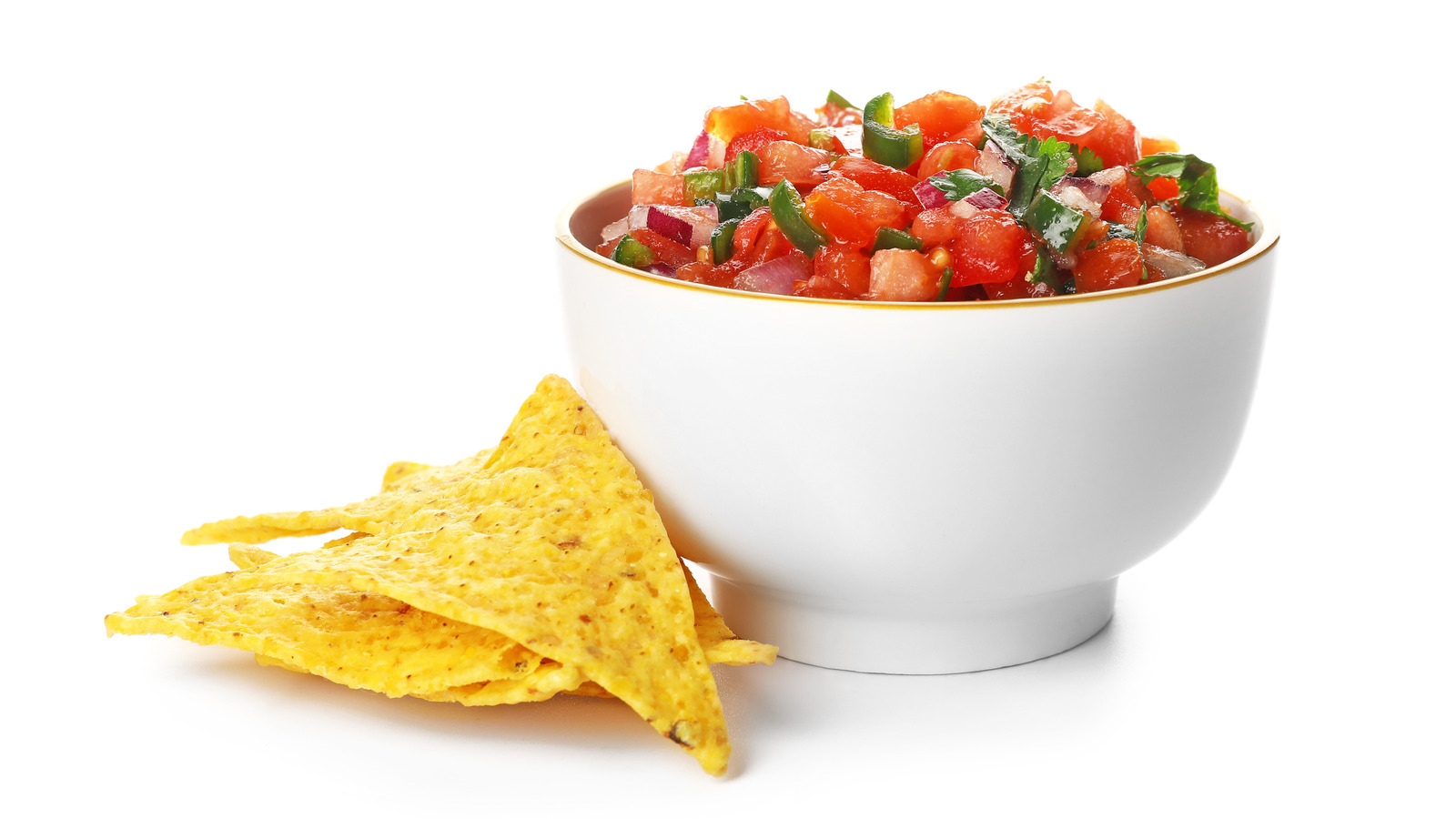
Imagine a bowl brimming with the jewels of the garden – ripe red tomatoes, crisp white or red onions, vibrant green cilantro, and fiery jalapeños, all brought together with a squeeze of zesty lime. This is the essence of
pico de gallo: a fiesta of colors, aromas, and flavors that instantly transports you to sun-drenched patios and lively gatherings. It's a testament to the power of simple, fresh ingredients, making it an indispensable part of countless meals.
The exact origin of its intriguing name, loosely translating to "rooster's beak," is often debated. Some speculate it refers to the way it was traditionally eaten – pinched between the thumb and forefinger, much like a bird pecking. Regardless of its etymology, its universal appeal lies in its straightforward yet utterly delicious composition.
Decoding the Differences: Pico de Gallo vs. Traditional Salsa
While the terms "pico de gallo" and "salsa" are sometimes used interchangeably, understanding their fundamental distinctions is key to appreciating their unique culinary roles. Think of
pico de gallo as a specific, well-defined subset within the broader category of "salsa."
Texture and Consistency: The Chunky Divide
Perhaps the most defining characteristic of
pico de gallo is its texture. It is inherently chunky, made from finely diced or chopped fresh ingredients. This means you can distinctly see and taste each component – the firm bite of tomato, the crispness of onion, the verdant flecks of cilantro. Crucially,
pico de gallo contains very little liquid, relying on the natural juices of the tomatoes and a touch of lime to bind it together, creating a vibrant, spoonable relish rather than a pourable sauce.
Traditional salsas, on the other hand, boast a far wider spectrum of consistencies. They can range from chunky, like some garden salsas, to gently mashed, to completely smooth and pureed. Many restaurant-style salsas are heavily blended, resulting in a thinner, saucier texture that coats ingredients rather than adding distinct chunks.
Ingredients: Fresh vs. Prepared
Another critical differentiator lies in the ingredients themselves and their preparation.
Pico de gallo insists on freshness. It is always made with raw, uncooked ingredients, celebrating their natural flavors and textures. This commitment to raw, seasonal produce is what gives it its characteristic bright, vibrant, and incredibly fresh taste.
Salsas, however, are far more versatile. While many are indeed fresh, others incorporate cooked, roasted, or even fire-charred vegetables. Think of a rich salsa roja made with slow-simmered tomatoes and chiles, or a smoky salsa verde featuring roasted tomatillos. These cooking processes transform the flavor profile, adding depth, sweetness, and complexity that you won't find in a classic
pico de gallo.
Preparation Method: Diced, Never Blended
The method of preparation solidifies the distinction.
Pico de gallo is strictly about chopping and dicing. Every ingredient is carefully cut to a uniform size, ensuring a harmonious texture in every bite. It is never, under any circumstances, blended or pureed.
In contrast, while some salsas are simply chopped, many rely on blenders, food processors, or even molcajetes (mortar and pestle) to achieve their desired consistency. This blending can result in a homogenous mixture where individual ingredients are less discernible, a stark contrast to the intentional chunkiness of
pico de gallo.
Crafting the Perfect Pico de Gallo at Home
The beauty of
pico de gallo is its simplicity, making it incredibly rewarding to prepare from scratch. As culinary producer Nicole McLaughlin (a.k.a. NicoleMcMom) wisely points out, homemade versions are often "fresher, more colorful, crunchier, and cheaper" than anything you'll buy in a store. The joy of customizing it to your exact preferences further adds to its appeal. For a deeper dive into perfecting your technique, explore
Mastering Homemade Pico de Gallo: Fresh Flavors & Expert Tips.
The Essential Ingredients for Authentic Flavor
The magic of
pico de gallo lies in selecting the best possible produce.
*
Tomatoes: Ripe, firm Roma (plum) tomatoes are often recommended. Their lower water content compared to other varieties helps maintain the desired chunky, less liquid texture. Choose vibrant red ones that yield slightly to pressure.
*
Onion: Red onions are a popular choice for their beautiful color and pungent "flavor punch." However, traditional white onions also work wonderfully, offering a sharper, classic taste. The key is a fine dice.
*
Cilantro: Fresh cilantro is non-negotiable for that signature bright, herbaceous note. Ensure it's freshly chopped for maximum aroma. If cilantro isn't to your taste, a small amount of fresh parsley can be a mild substitute, though the flavor profile will shift.
*
Jalapeño: This chile provides the classic heat. Adjust the amount and whether you include the seeds based on your preference for spice. For a more intense, traditional kick, consider substituting with serrano peppers.
*
Lime Juice: Freshly squeezed lime juice is crucial. It not only adds a zesty, fruity brightness but also helps preserve the freshness and color of the ingredients.
*
Garlic: While optional for some, a touch of fresh minced garlic, sometimes complemented by a pinch of garlic powder, adds a subtle depth and savory complexity.
*
Cumin, Salt, and Pepper: A pinch of ground cumin can lend warmth and a hint of earthy sweetness. Salt is vital for enhancing all the other flavors, while freshly ground black pepper rounds out the seasoning.
Expert Tips for a Restaurant-Worthy Batch
Creating exceptional
pico de gallo at home is surprisingly straightforward with a few insider tricks:
1.
Quality Above All: Since there's no cooking involved, the quality of your fresh ingredients is paramount. Seek out the freshest, ripest produce available.
2.
Uniform Dicing: Aim for consistent, small dice for all your vegetables. This ensures an even distribution of flavors and a pleasant texture in every spoonful.
3.
Taste and Adjust Heat: Don't be afraid to customize! Culinary experts like Nicole McLaughlin encourage using your best judgment. If you love heat, add more jalapeño – and for an extra fiery kick, leave some of the seeds in. Conversely, if you prefer it mild, use less or remove the peppers entirely, perhaps substituting with a milder green bell pepper.
4.
Let Flavors Marry: While delicious immediately,
pico de gallo benefits immensely from resting for at least 15-30 minutes in the refrigerator. This allows the lime juice, salt, and spices to meld with the fresh vegetables, deepening the overall flavor.
5.
Don't Forget the Salt: Salt isn't just for seasoning; it helps draw out the natural liquids and flavors from the tomatoes and onions, creating a more cohesive and delicious end product.
Beyond the Bowl: Versatile Uses for Your Fresh Pico de Gallo
While a bowl of
pico de gallo with tortilla chips is a classic for a reason, its uses extend far beyond a simple appetizer. Its fresh, bright profile makes it an incredibly versatile accompaniment to a wide array of dishes. For more ideas on ingredient customization and innovative uses, check out
Pico de Gallo: Key Ingredients & Customization for Your Perfect Salsa.
*
Taco Topping: The most iconic pairing,
pico de gallo adds a burst of freshness and crunch to any taco, from savory carne asada to spicy al pastor.
*
Grilled Favorites: Spoon it over grilled chicken, fish, steak, or pork for an instant flavor uplift. Its acidity cuts through the richness of grilled meats beautifully.
*
Egg Dishes: Elevate your breakfast or brunch by adding a generous dollop to scrambled eggs, omelets, or huevos rancheros.
*
Salads and Bowls: Use it as a vibrant component in grain bowls, or as a fresh, tangy dressing alternative for green salads.
*
Nachos and Quesadillas: Brighten up cheesy, rich dishes with a spoonful of cool, fresh
pico de gallo.
*
Avocado Toast: Take your avocado toast to the next level with a layer of chunky, zesty
pico de gallo.
In conclusion, while all
pico de gallo is salsa, not all salsa is
pico de gallo. This fresh, chunky, and vibrant condiment holds a special place in Mexican cuisine due to its distinct raw ingredients, minimal liquid, and chopped-not-blended preparation. It’s a celebration of pure, unadulterated freshness that brightens any dish it graces. Armed with fresh ingredients and a few simple techniques, you can easily create restaurant-worthy
pico de gallo at home, ready to add a burst of flavor to your next meal or gathering.